Common eye conditions
Amblyopia (lazy eye)
Amblyopia (lazy eye)
Amblyopia (lazy eye)

A common disorder in children. When one eye performs better than the other, the brain may begin to favour the 'better' eye. The weaker eye becomes lazy.
Find out more in this blog.
Cataracts
Amblyopia (lazy eye)
Amblyopia (lazy eye)

The hardening and clouding of the lens inside of the eye. This is one of the world's most common eye condition but it can be treated.
Find out more.
Diabetic retinopathy
Amblyopia (lazy eye)
Diabetic retinopathy

Did you know that poorly-controlled and chronic diabetes can have significant effects on your eye sight. In some cases, symptoms may arise before the patient is diagnosed with diabetes.
Learn more here
Glaucoma
Macula degeneration
Diabetic retinopathy
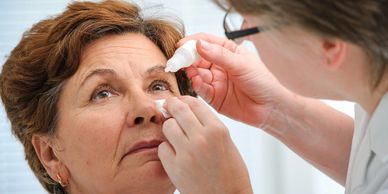
Damage to the optic nerve, sometimes due to high eye pressure (intraocluar pressure) can cause a silent but irreversible form of vision loss. Learn more about glaucoma here.
Macula degeneration
Macula degeneration
Macula degeneration

The macula is the part of the retina responsible for seeing fine detail. In macular degeneration, this area becomes damaged and results in poor central vision.
Click here to monitor your central vision.
Keratoconus
Macula degeneration
Macula degeneration
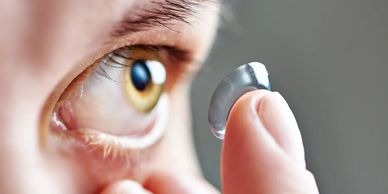
Astimatism is common but in keratoconus, significant changes in the shape function of the cornea causes large shifts in eye prescription and reduced vision.
Learn more.
Long-sightedness (far)
Short-sightedness (near)
Short-sightedness (near)
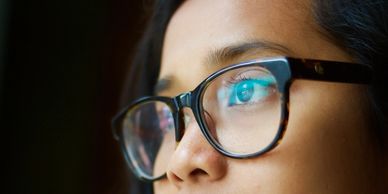
Typically, in long-sighted vision (hyperopia), the eye finds it easier to focus on objects in the distance in comparison to objects at close range. E.g. The clock on the wall opposite you is clearer than the watch on your wrist.
Short-sightedness (near)
Short-sightedness (near)
Short-sightedness (near)

In short-sighted vision (myopia), objects near to the eye are clearer than objects further away. E.g. The textbook on your desk is easy to see but the writing on the board in the classroom is out of focus.
Presbyopia
Short-sightedness (near)
Astigmatism

Presbyopia is an aging process of the eye which causes the lens to harden over time. It makes it more difficult to focus on things up close and you may find it easier to hold things further away.
Astigmatism
Astigmatism
Astigmatism
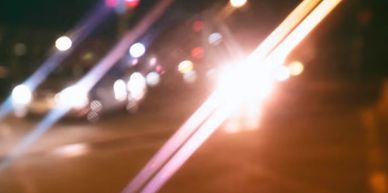
Astigmatism occurs due to the irregular shape of the eye and causes things to appear squashed, stretched or less defined in certain directions. It is common and can be corrected easily.
Floaters
Astigmatism
Blepharitis
coming soon
Blepharitis
Astigmatism
Blepharitis
coming soon.